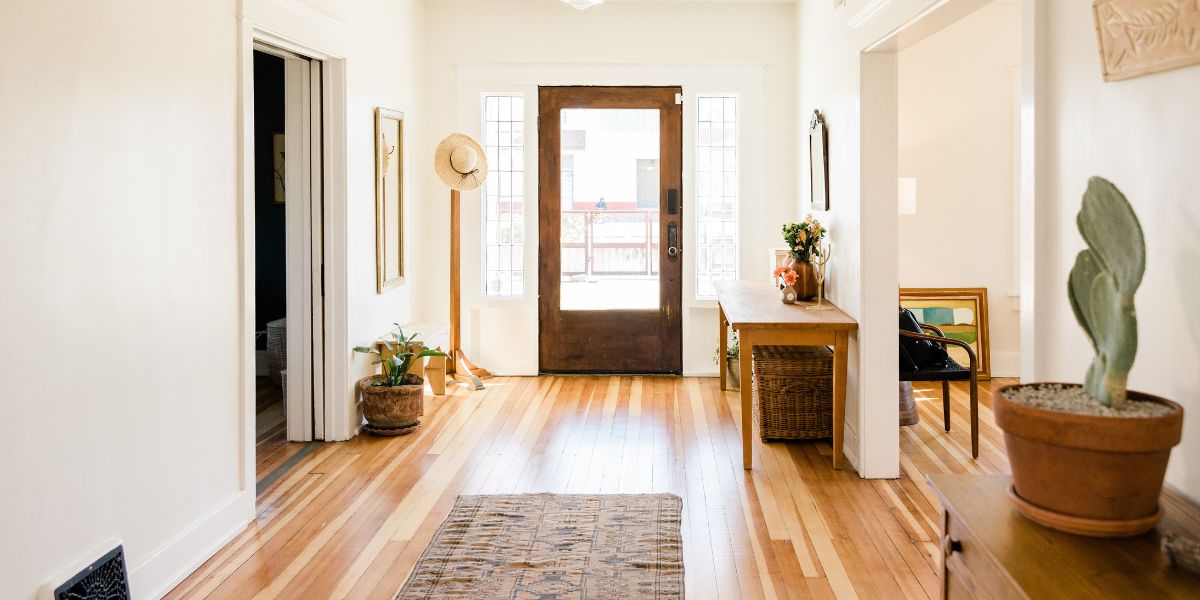
A home renovation is more than a construction project. It is a chance to reshape how a home supports daily life. Many homeowners begin thinking about renovation because something in the house no longer feels right. The kitchen may be too small, the bathrooms may feel outdated, the basement may be unfinished, or the layout may not fit the way the family lives anymore. In other cases, the home may simply need better storage, more natural light, improved flow, or a more comfortable connection between rooms.
The most successful renovations do not begin with materials or finishes. They begin with a clear vision. Before choosing flooring, cabinetry, lighting, tile, or paint, homeowners need to understand what they want the renovation to solve. A beautiful space can still be frustrating if it does not work well for everyday routines.
For homeowners considering custom home renovation planning, the early design stage is one of the most important parts of the process. This is where ideas become priorities, and priorities become a practical plan.
Good Renovation Planning Looks Beyond the Surface
It is easy to think of renovation as a visual upgrade. New countertops, modern cabinets, fresh flooring, and updated fixtures can make a home look better. But the deeper value of renovation comes from improving how the home functions.
A kitchen renovation should make cooking, storage, entertaining, and movement easier. A bathroom renovation should improve comfort, lighting, organization, and long-term durability. A basement renovation should create useful living space instead of simply finishing unused square footage. A home addition should feel connected to the original structure, not like a separate section added later.
When planning focuses only on appearance, important opportunities can be missed. A room may look new but still lack storage. A layout may look open but feel awkward in daily use. A finish may be attractive but difficult to maintain.
Good planning considers both beauty and practicality from the beginning.
Design and Construction Should Support Each Other
One of the most important parts of a renovation is making sure the design vision can be built properly. A homeowner may have ideas from photos, magazines, or online inspiration, but every home has its own structure, systems, limitations, and opportunities.
Walls, plumbing, electrical work, heating, cooling, windows, ceiling heights, permits, and structural details can all affect what is possible. If design decisions are made without construction knowledge, the project may face delays, redesigns, or unexpected costs later.
A coordinated renovation process helps bring design and construction together early. This allows homeowners to understand what is realistic, what choices may affect the budget, and where adjustments may improve the final result.
A renovation should feel creative, but it also needs to be buildable. The best results come when imagination and practical planning work together.
Kitchens Need to Work for Real Life
The kitchen is often one of the most important rooms in the home. It is where meals are prepared, family gathers, conversations happen, and guests naturally spend time. Because of this, a kitchen renovation should be planned around real use, not only style.
A good kitchen design considers storage, counter space, lighting, appliance placement, traffic flow, seating, pantry needs, and connection to nearby rooms. It should make daily routines easier, whether the homeowner is cooking a quick breakfast, preparing dinner, helping children with homework, or hosting friends.
Small decisions can make a major difference. Deep drawers may improve storage. Better task lighting may make preparation easier. A larger island may create a more useful gathering space. Improved cabinet organization may reduce clutter.
A kitchen should look beautiful, but it should also feel natural to use every day.
Bathrooms Should Balance Comfort and Durability
Bathrooms may be smaller than kitchens or living rooms, but they have a major impact on comfort. A poorly planned bathroom can feel cramped, dark, or hard to maintain. A well-designed bathroom can make daily routines smoother and more enjoyable.
Bathroom renovation requires attention to layout, lighting, ventilation, storage, fixtures, waterproofing, tile, and long-term maintenance. A family bathroom may need durable materials and practical storage. An ensuite may focus on relaxation and comfort. A guest bathroom may need a simple, polished design that works well for visitors.
Because bathrooms involve plumbing, electrical work, moisture protection, and detailed finishes, planning is especially important. A beautiful bathroom must also be built properly so it performs well over time.
The best bathroom renovations feel calm, functional, and easy to maintain.
Basements Can Become Some of the Most Useful Space in the Home
Many homes have basements that are underused, unfinished, or poorly arranged. With the right plan, a basement can become a family room, guest suite, home office, gym, playroom, entertainment space, hobby area, or storage zone.
Basements need careful planning because they often come with unique challenges. Ceiling height, natural light, moisture control, insulation, flooring, mechanical systems, and layout all affect the finished result. Without thoughtful design, a basement can still feel dark or disconnected even after being renovated.
A strong basement renovation should make the space feel like part of the home. Lighting, finishes, comfort, and flow all matter. The space should serve a real purpose and fit the family’s lifestyle.
When planned well, a basement can add meaningful function without changing the footprint of the home.
Home Additions Should Feel Seamless
When a home needs more space, an addition can be a valuable solution. A homeowner may need a larger kitchen, a family room, a primary suite, a mudroom, a garage, a home office, or space for multi-generational living. However, an addition should be planned carefully so it feels like it belongs.
A successful addition considers exterior design, rooflines, windows, materials, ceiling heights, interior flow, natural light, and transitions between old and new spaces. If these details are not handled well, the addition can feel disconnected from the original home.
Additions also involve structural planning, foundation work, permits, insulation, utilities, and coordination between many trades. This makes early planning especially important.
A well-designed addition does more than add square footage. It improves the way the entire home works.
Older Homes Require Thoughtful Decisions
Older homes often have character, charm, and details that homeowners want to preserve. At the same time, they may have layouts, systems, or materials that no longer meet modern needs. Renovating an older home requires careful balance.
Some features may be worth keeping because they give the home personality. Other areas may need updates for comfort, safety, efficiency, or function. Electrical systems, plumbing, insulation, windows, flooring, ventilation, and structure may all need to be reviewed depending on the scope of the project.
The goal should not always be to erase the home’s history. In many cases, the best renovation respects the original character while improving how the home performs for modern life.
When handled thoughtfully, an older home can feel refreshed without losing what makes it special.
Budget Planning Helps Keep the Project Focused
Renovation ideas can grow quickly. A homeowner may start with a kitchen update and then realize the flooring, lighting, mudroom, or nearby living space also needs attention. Inspiration can be exciting, but it needs to be connected to a realistic budget.
Budget planning helps homeowners decide what matters most. Some features may be essential to the success of the project. Others may be adjusted, simplified, or saved for a later phase. Structural changes, custom materials, finishes, labour, permits, and site conditions can all influence cost.
A clear budget does not limit the renovation. It helps guide it. When homeowners understand how choices affect cost, they can make better decisions and avoid unnecessary stress.
A successful renovation is not about choosing the most expensive option. It is about investing wisely in the parts of the home that matter most.
Communication Makes Renovation Less Stressful
Renovation involves many decisions and moving parts. Homeowners may need to choose layouts, cabinets, counters, tile, flooring, fixtures, hardware, lighting, paint, appliances, and more. They also need to understand timelines, construction phases, trade coordination, and possible changes.
Clear communication helps reduce stress. Homeowners should know what is happening, why certain decisions matter, and how choices may affect the project. When expectations are clear, the process becomes easier to manage.
Communication is especially important when unexpected issues appear. Hidden conditions, older building systems, supply changes, or structural discoveries can affect a renovation. With a clear process, these issues can be handled more calmly and practically.
A renovation is a major investment, and homeowners should feel informed throughout the journey.
Professional Guidance Turns Ideas Into a Buildable Plan
Many homeowners know what they dislike about their current home, but they may not know how to turn those frustrations into a practical renovation plan. They may have inspiration photos, general ideas, and a wish list, but need help understanding what will work best for their property.
A company like Rusch Design Build can help connect creative ideas with construction planning, giving homeowners a clearer path from early vision to finished space.
Professional guidance helps identify opportunities, avoid costly mistakes, and create a plan that fits the home, budget, and long-term goals. It also helps homeowners understand what decisions need to be made and how those decisions affect the final result.
The right support can make renovation feel more organized, more realistic, and more rewarding.
A Better Home Starts With Better Planning
A renovation should improve more than the appearance of a house. It should make the home easier to live in, easier to maintain, and better suited to the people who use it every day. Whether the project involves a kitchen, bathroom, basement, addition, older home update, or full-home renovation, the foundation is the same: thoughtful planning.
The best renovation projects begin with clear goals, practical design, realistic budgeting, and strong communication. They respect the existing home while improving its comfort, function, and long-term value.
When a renovation is planned around real life, the results feel more natural. The home becomes more useful, more comfortable, and more enjoyable. With the right vision and guidance, renovation can transform not only how a home looks, but how it supports everyday living.